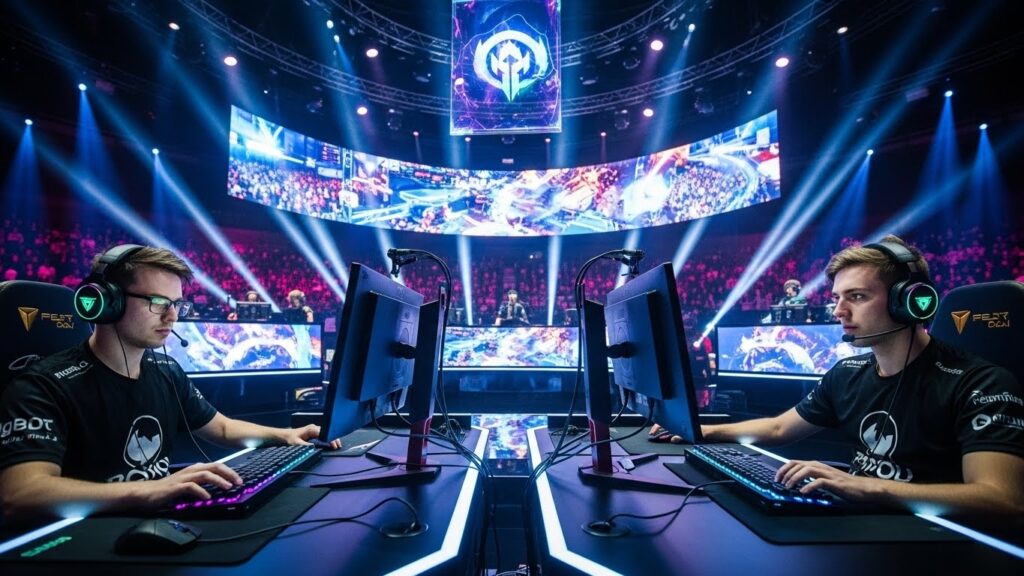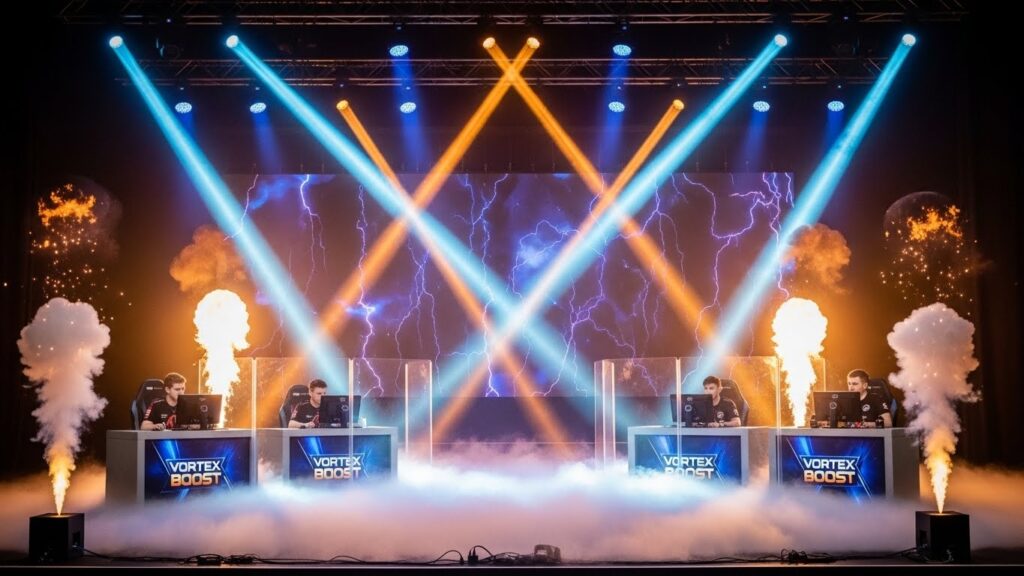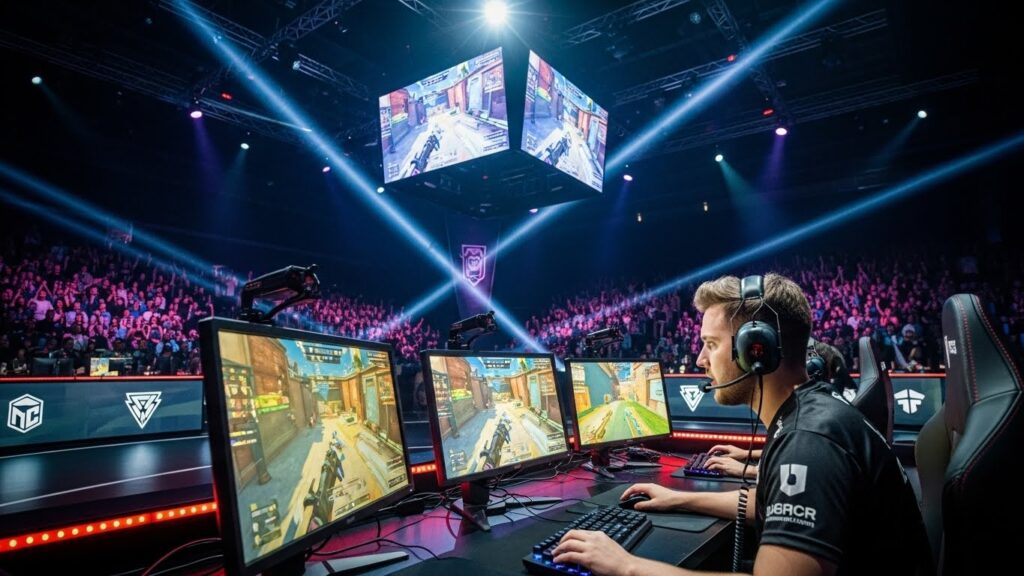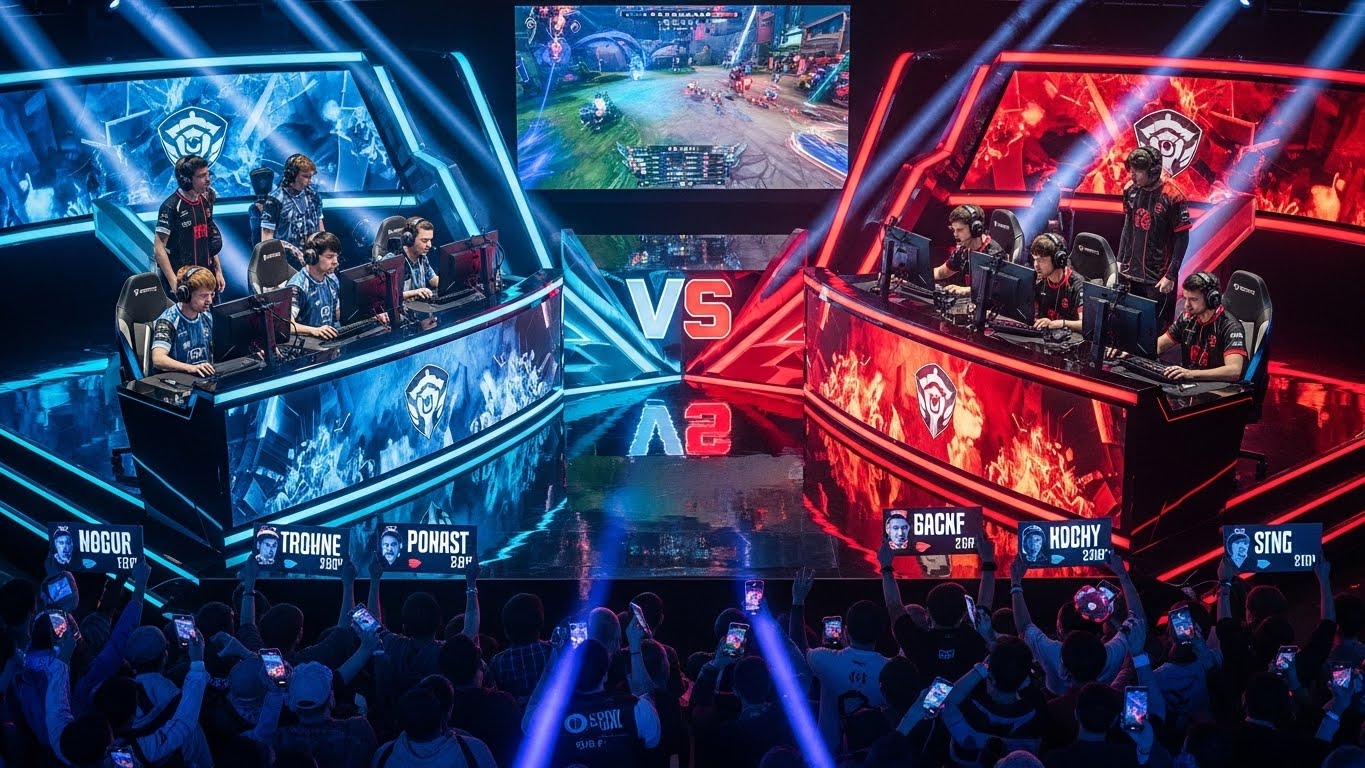
Esports, or competitive video gaming, has grown from a niche hobby into a global cultural and economic phenomenon. Over the last two decades, it has transformed the way people play, watch, and engage with games. What was once a casual pastime in bedrooms and arcades is now a billion-dollar industry with professional leagues, massive tournaments, and millions of fans worldwide. In this article, we explore the evolution of esports, its impact on society, technology, education, and careers, as well as what the future holds for this rapidly expanding field.
The Origins of Esports
The concept of competitive gaming is not new. In the late 1970s and early 1980s, video games like Space Invaders, Pac-Man, and Donkey Kong laid the foundation for organized competitions. High-score contests in arcades allowed gamers to test their skills against others, sparking a competitive culture around video games. By the 1990s, multiplayer games such as Quake, StarCraft, and Counter-Strike introduced a more structured competitive format, paving the way for esports as we know it today.
South Korea played a significant role in the growth of esports. In the late 1990s, professional StarCraft players gained celebrity status, and televised gaming competitions attracted massive audiences. These early developments demonstrated the potential for gaming as a spectator sport and set the stage for the international esports phenomenon.
The Explosion of Esports Popularity
Today, esports has exploded in popularity, attracting millions of players and viewers worldwide. Games like League of Legends, Dota 2, Fortnite, and Valorant dominate the competitive landscape, with professional teams and players becoming household names. Platforms like Twitch, YouTube Gaming, and other streaming services have transformed esports into a spectator sport, where fans can watch live tournaments, interact with players, and become part of a global community.
Major esports tournaments rival traditional sports events in terms of viewership and excitement. The League of Legends World Championship draws tens of millions of viewers every year, while Dota 2’s “The International” offers prize pools exceeding thirty million dollars. The growth of esports highlights the increasing legitimacy of competitive gaming and its place in global entertainment culture.
Esports as a Career Path
Esports has created legitimate career opportunities for players, coaches, and professionals involved in the industry. Professional players dedicate countless hours to practice, teamwork, and strategy, much like athletes in traditional sports. They undergo rigorous training, analyze opponents, and maintain peak physical and mental condition. Top esports players earn significant salaries, sponsorships, and tournament prize money, making it a viable career option for talented individuals.
Beyond players, careers in esports include coaching, event management, broadcasting, content creation, game design, and marketing. Universities around the world now offer esports scholarships, courses, and degree programs focused on gaming management and esports marketing. This growing infrastructure demonstrates that esports is no longer just a hobby; it is a professional and sustainable industry.
The Social Impact of Esports
Esports has a unique social impact, connecting people across cultures, languages, and continents. Online gaming communities allow players to collaborate, communicate, and compete with others from around the world. These communities create a sense of belonging, shared purpose, and camaraderie, giving participants a social outlet and support network.
Esports also promotes inclusivity. Unlike traditional sports, competitive gaming is accessible to people regardless of gender, age, or physical ability. Women, differently-abled individuals, and older players can compete at high levels, challenging traditional stereotypes and broadening the definition of what it means to be an athlete. Esports provides a platform where dedication, skill, and strategy matter more than physical attributes, making competitive gaming an inclusive and empowering space.
Cognitive and Mental Benefits of Esports
While gaming is sometimes criticized for promoting sedentary behavior, esports offers cognitive and mental benefits. Competitive gaming requires strategic thinking, problem-solving, rapid decision-making, and teamwork. Players must adapt quickly to changing situations, analyze opponents, and execute precise actions under pressure. These skills transfer to real-world scenarios, enhancing problem-solving, critical thinking, and collaboration.
Esports also fosters mental resilience. Players learn to cope with setbacks, manage stress, and maintain focus despite challenges. Goal-setting and perseverance are essential in esports, and these traits contribute to personal growth and professional success. Moreover, esports encourages multitasking, creativity, and strategic planning, demonstrating that competitive gaming can be a form of mental exercise as well as entertainment.
Technology and Innovation in Esports
The growth of esports is closely tied to technological advancements. High-speed internet, streaming platforms, advanced gaming hardware, and performance analytics have transformed esports into a global phenomenon. Coaches and analysts can track minute details of gameplay to improve strategies, optimize performance, and reduce the risk of burnout.
For spectators, technology has revolutionized the viewing experience. Live streams, high-definition broadcasts, interactive overlays, and chat features allow fans to engage with games in ways traditional sports cannot. Virtual reality and cloud gaming promise to further change how esports is played and watched, creating immersive experiences that bring fans closer to the action. Technology has elevated esports, making it both a participatory and spectator-friendly form of entertainment.
Economic Impact of Esports
Esports has become a significant economic force. Professional teams, tournaments, streaming platforms, and sponsorships generate billions of dollars annually. Major events attract international brands, creating revenue through merchandise, advertising, ticket sales, and partnerships. Hosting tournaments stimulates local economies by attracting tourists, media production, and event-related employment.
The esports ecosystem extends beyond players, offering career opportunities in content creation, marketing, coaching, and event management. As the industry grows, it continues to attract investment, creating financial sustainability and global recognition. The economic impact of esports demonstrates that gaming is not just entertainment but a viable industry with diverse revenue streams and professional opportunities.
Health and Wellness in Esports
Contrary to stereotypes, professional esports players prioritize physical and mental wellness. Fitness training, proper nutrition, and mental health practices are essential for optimal performance. Teams often employ fitness trainers, nutritionists, and psychologists to help players maintain focus, reaction times, and overall well-being. Physical activity reduces the risk of burnout, improves stamina, and ensures players remain competitive at the highest levels.
Awareness campaigns promote responsible gaming, encouraging breaks, exercise, and balanced lifestyles. As esports continues to professionalize, health and wellness are becoming central to sustainable careers, highlighting the importance of holistic preparation in competitive gaming.
Esports and Education
Esports has gained recognition in the education sector. Schools and universities now integrate esports programs, competitive teams, and scholarships to provide students with opportunities for skill development and career growth. Academic courses focus on esports management, game design, marketing, and digital media, preparing students for professional roles within the industry.
Participation in educational esports programs teaches valuable life skills, including teamwork, leadership, time management, and communication. Students learn to balance competition with academics while developing strategic thinking and problem-solving abilities. Educational initiatives demonstrate that esports is more than gaming; it is a platform for learning, personal growth, and career preparation.
Challenges Facing Esports
Despite its growth, esports faces challenges. Gaming addiction, long screen time, online harassment, and burnout are pressing concerns. Ensuring inclusivity and addressing gender disparities remain ongoing efforts. Legal and financial issues, including contracts, intellectual property, and tournament regulations, also require attention.
Maintaining ethical standards, promoting responsible gaming, and supporting player welfare are essential for the industry’s sustainability. As esports continues to professionalize, addressing these challenges will ensure that competitive gaming remains safe, inclusive, and sustainable for future generations.
The Future of Esports
The future of esports is full of potential. Emerging technologies like virtual reality, cloud gaming, and artificial intelligence will transform gameplay, training, and viewer experiences. The line between traditional sports, entertainment, and esports will continue to blur, creating hybrid events that appeal to diverse audiences.
Esports is likely to expand further into mainstream media, education, and culture. With increased recognition as a legitimate sport, professional leagues and tournaments will offer new career paths, international exposure, and innovative fan experiences. The potential for esports to influence society, culture, and technology is limitless, establishing it as a defining feature of the digital era.
Conclusion
Esports has evolved from a niche hobby to a global cultural and economic powerhouse. It provides opportunities for personal growth, social connection, cognitive development, and professional careers. With technological innovation, growing inclusivity, and professionalization, esports is transforming entertainment and society in unprecedented ways.
Competitive gaming is no longer just a pastime—it is a global phenomenon that unites people, drives innovation, and inspires millions. The rise of esports demonstrates that dedication, strategy, and skill can create opportunities, influence culture, and redefine what it means to compete in the modern world. As esports continues to grow, it promises to shape the future of entertainment, education, and professional competition for years to come.